ニュース

アルミニウム精密旋削部品が現代の製造業に不可欠な理由は何ですか?

Aluminum precision turned parts have become a cornerstone of modern manufacturing due to their lightweight properties, high machinability, corrosion resistance, and ability to meet extremely tight tolerances. This article explores their production process, applications across industries, material advantages, quality control standards, and key selection criteria. It also addresses common customer pain points such as dimensional inconsistency, surface finish issues, and supplier reliability, offering practical insights to help engineers, procurement teams, and manufacturers make informed decisions.

Aluminum precision turned parts


Table of Contents


1. Overview of Aluminum Precision Turned Parts

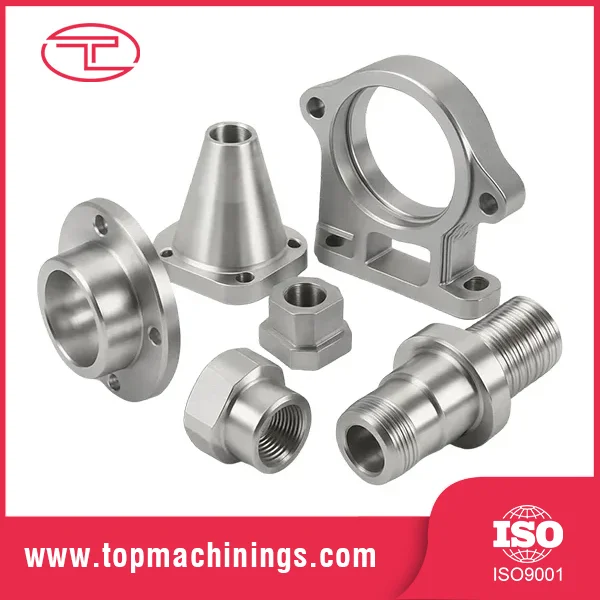
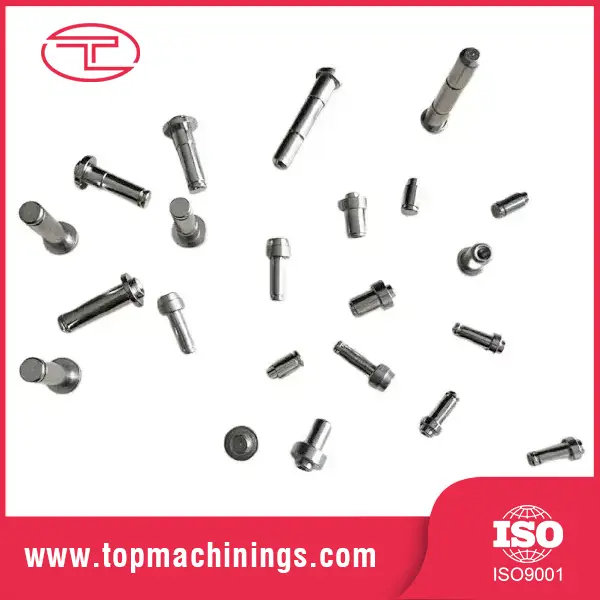
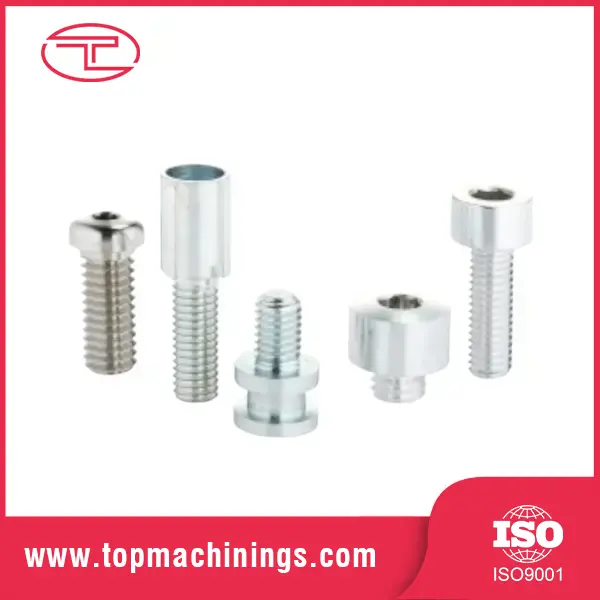
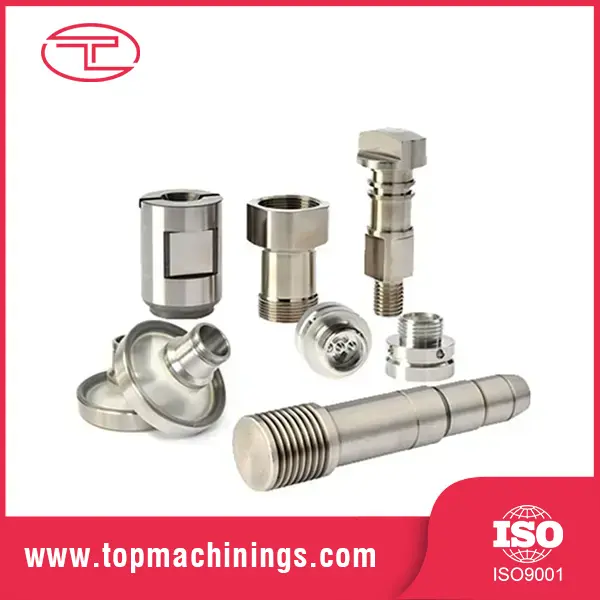
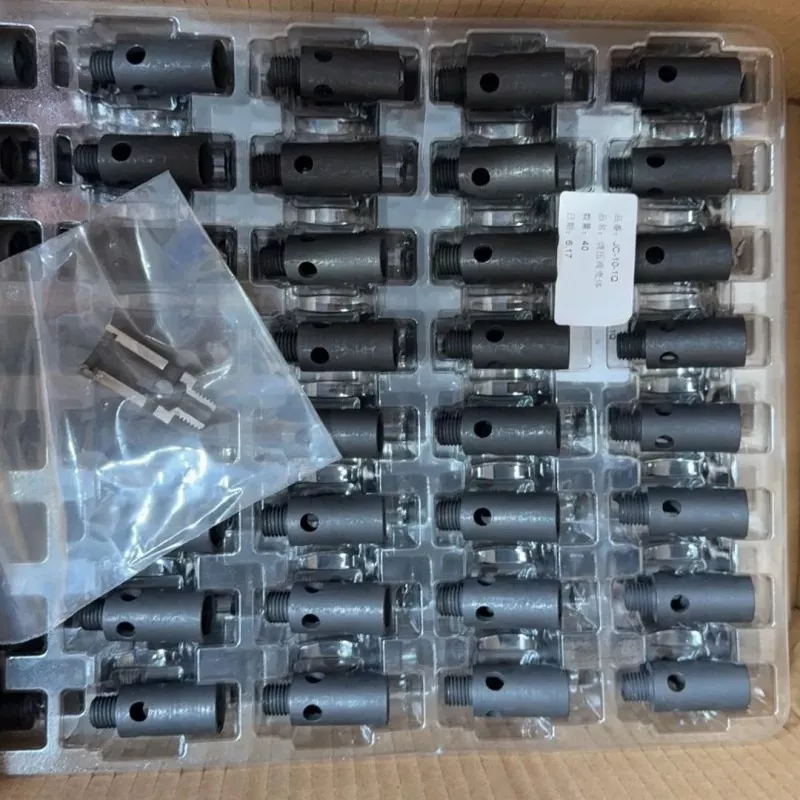
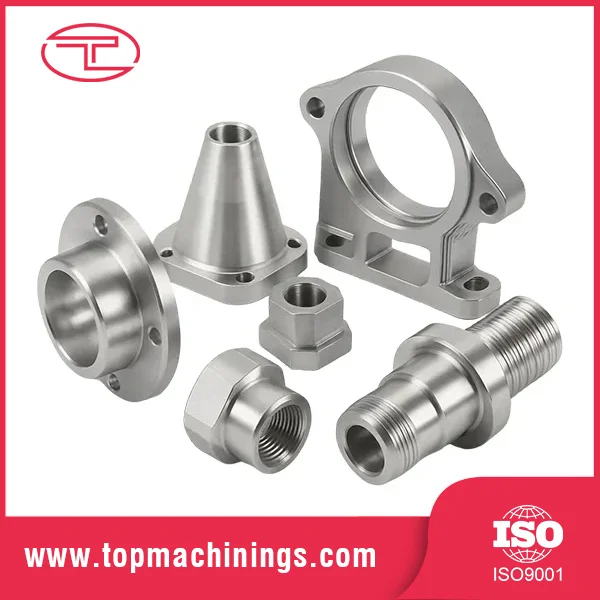
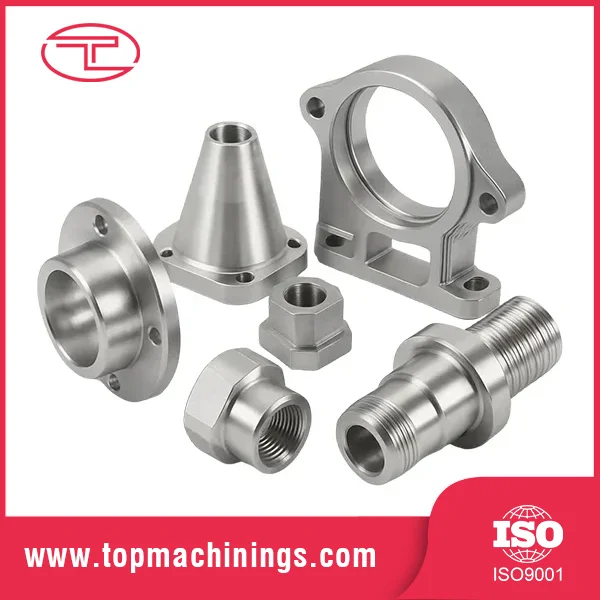
Aluminum precision turned parts refer to components manufactured through CNC turning processes where aluminum alloy is shaped into highly accurate cylindrical or symmetrical geometries. These parts are widely used in industries requiring strict dimensional control, including aerospace, automotive, medical devices, electronics, and industrial automation.

Unlike general machining, precision turning focuses on micron-level accuracy, ensuring each part meets exact engineering specifications. This level of precision helps reduce assembly errors, improve product lifespan, and enhance system reliability.


2. How CNC Turning Shapes Precision Components

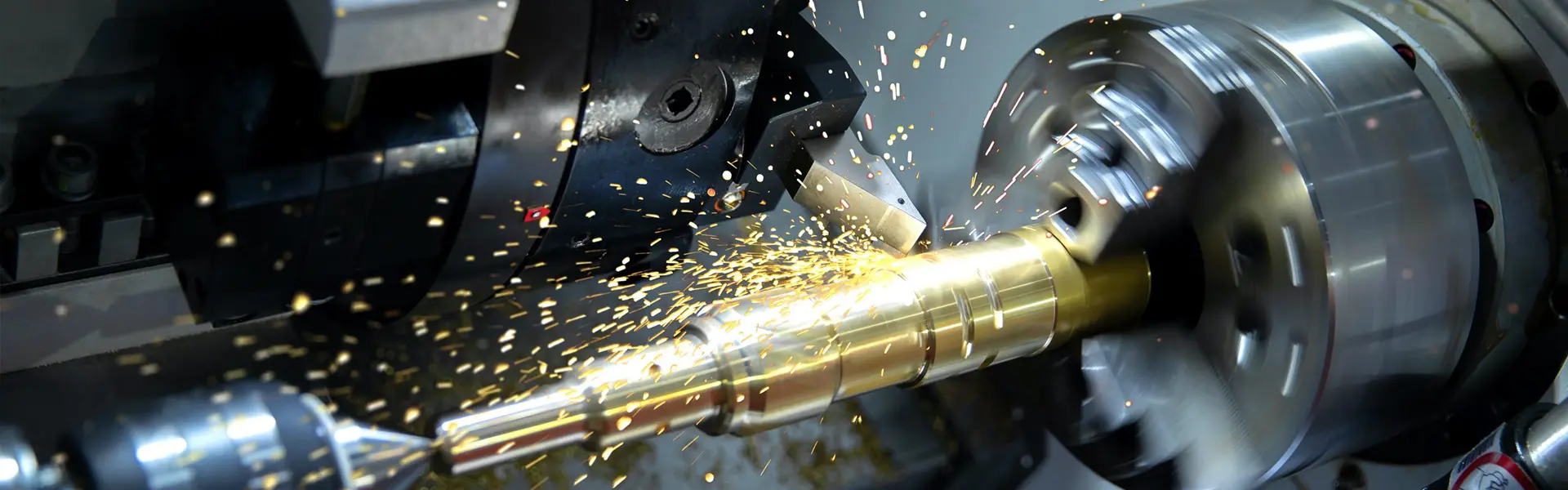
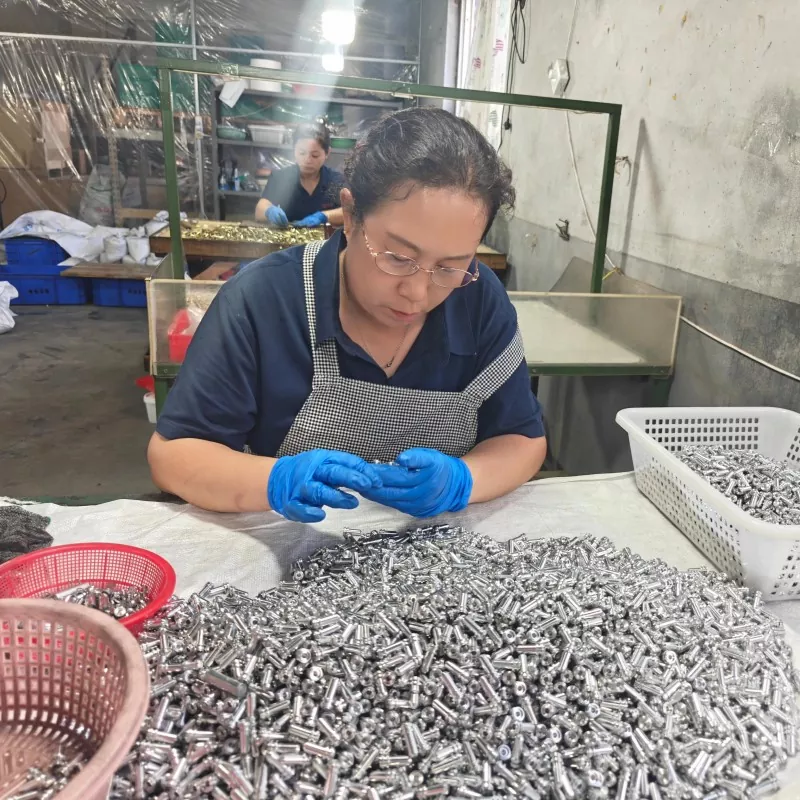
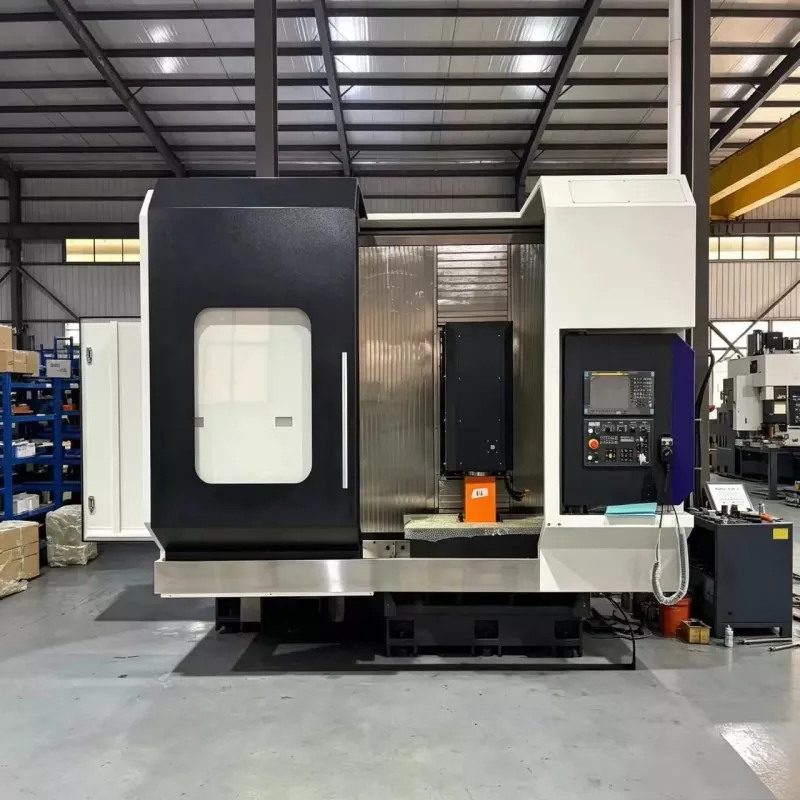
The manufacturing of aluminum precision turned parts typically relies on CNC (Computer Numerical Control) lathes. The process involves rotating a raw aluminum bar while cutting tools remove excess material layer by layer until the desired shape is achieved.

The process generally includes:

  • Material selection (6061, 7075, 2024 aluminum alloys)
  • Bar feeding into CNC lathe
  • Rough turning for basic shape
  • Fine finishing for tolerance accuracy
  • Deburring and surface treatment

This automation ensures repeatability, consistency, and reduced human error, which are critical in high-volume industrial production.


3. Key Advantages of Aluminum as a Turning Material

Aluminum is one of the most widely used metals in precision machining due to its balanced mechanical and physical properties. Below are the main advantages that make it ideal for turned parts.

  • Lightweight: Reduces overall system weight in automotive and aerospace applications.
  • Corrosion resistance: Naturally forms a protective oxide layer.
  • High machinability: Allows faster cutting speeds and lower tool wear.
  • Thermal conductivity: Ideal for heat-sensitive components.
  • Cost efficiency: Lower material and processing costs compared to titanium or stainless steel.

These advantages directly translate into improved performance and reduced production costs for manufacturers.


4. Industrial Applications Across Sectors

Aluminum precision turned parts are used in a wide range of industries. Each sector relies on the material’s consistency and reliability for mission-critical components.

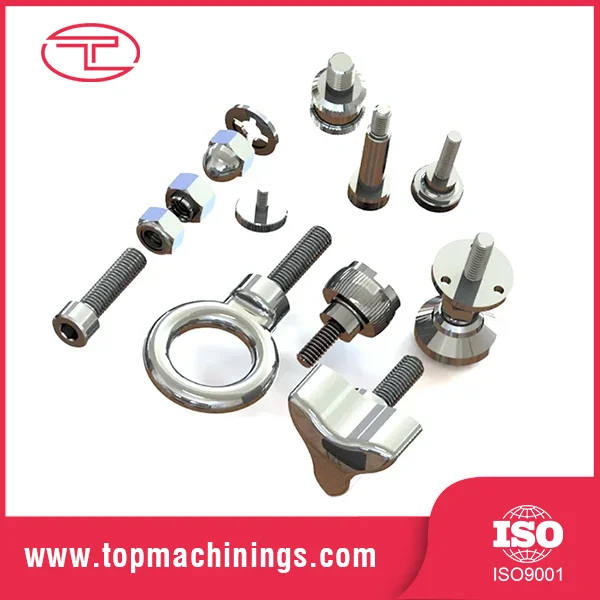
  • Aerospace: Fasteners, connectors, hydraulic fittings
  • Automotive: Sensor housings, transmission parts, engine components
  • Medical: Surgical instruments, diagnostic equipment parts
  • Electronics: Heat sinks, connectors, precision housings
  • Industrial machinery: Shafts, couplings, valve components

In each application, even minor dimensional deviations can lead to system failure, making precision turning indispensable.


5. Precision, Tolerance, and Surface Finish Standards

One of the defining characteristics of aluminum precision turned parts is their ability to achieve extremely tight tolerances. Depending on application requirements, tolerances can range from ±0.01 mm to even finer levels in advanced manufacturing environments.

Surface finish is equally important. Smooth finishes reduce friction, improve sealing performance, and enhance aesthetic quality.

Common surface roughness levels include:

  • Ra 3.2 μm – general industrial parts
  • Ra 1.6 μm – precision mechanical components
  • Ra 0.8 μm or lower – high-end aerospace and medical parts

6. Common Manufacturing Challenges and Solutions

Despite its advantages, producing aluminum precision turned parts comes with challenges that manufacturers must address carefully.

Challenge 1: Dimensional instability

Solution: Use stabilized alloys and temperature-controlled machining environments.

Challenge 2: Tool wear during high-speed machining

Solution: Apply coated carbide tools and optimized cutting parameters.

Challenge 3: Surface burr formation

Solution: Implement secondary deburring and polishing processes.

Challenge 4: Material deformation

Solution: Adjust feed rates and clamping pressure to reduce stress.


7. Quality Control and Inspection Methods

Quality assurance is critical in ensuring that aluminum precision turned parts meet strict industrial requirements. Manufacturers typically adopt multi-stage inspection processes.

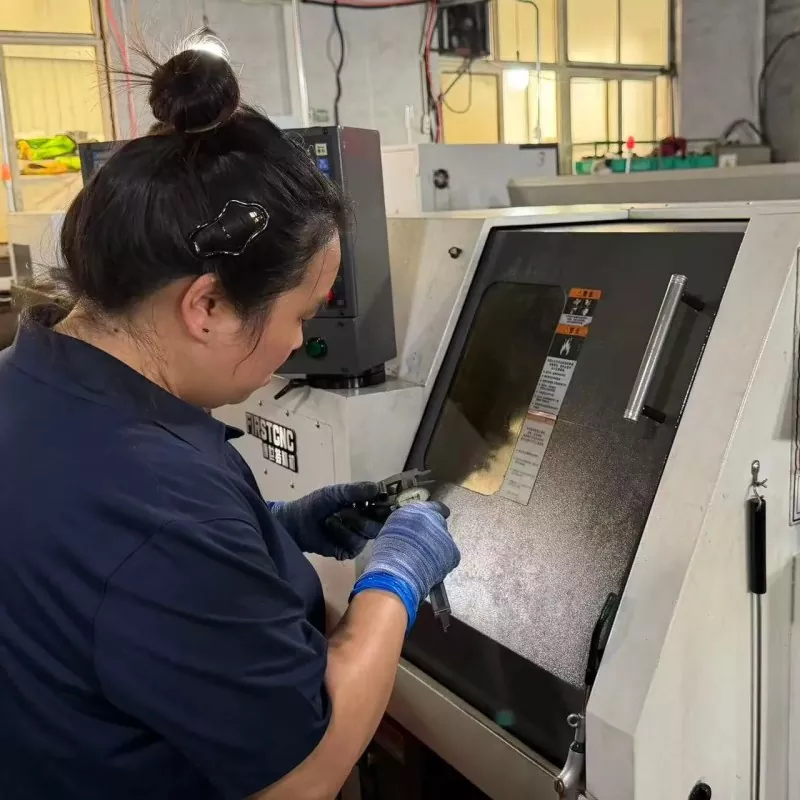
  • CMM (Coordinate Measuring Machine) inspection
  • Micrometer and caliper measurements
  • Surface roughness testing
  • Visual inspection under magnification
  • Batch sampling for statistical control

These procedures help ensure consistency across production batches and reduce defect rates significantly.


8. How to Choose the Right Supplier

Selecting a reliable manufacturer is one of the most important decisions when sourcing aluminum precision turned parts. A strong supplier ensures not only product quality but also long-term stability in supply chains.

Key selection criteria include:

  • Advanced CNC machining capabilities
  • Experience in precision engineering industries
  • Strict quality management systems (ISO-certified)
  • Material traceability and documentation
  • Ability to handle custom designs and prototypes

Suppliers that invest in automation and inspection technologies are more likely to deliver consistent results over time.


9. Technical Comparison Table

Feature Aluminum Precision Turned Parts Stainless Steel Parts Plastic Machined Parts
Weight Very Light Heavy Very Light
Corrosion Resistance High Very High Medium
Machinability Excellent Moderate Excellent
Strength Medium-High Very High Low-Medium
Cost Efficiency High Moderate High

10. Frequently Asked Questions

Q1: What materials are commonly used for aluminum precision turned parts?
A1: The most common materials include 6061, 7075, and 2024 aluminum alloys due to their balance of strength and machinability.

Q2: What industries use these components the most?
A2: Aerospace, automotive, electronics, medical devices, and industrial machinery are the primary users.

Q3: How precise can CNC turning achieve?
A3: Modern CNC turning can achieve tolerances as tight as ±0.01 mm depending on design and equipment.

Q4: Are aluminum turned parts suitable for high-temperature environments?
A4: Aluminum performs well in moderate temperatures, but not in extreme high-heat environments compared to some alloys like titanium.

Q5: How can surface finish quality be improved?
A5: Through optimized cutting parameters, sharp tools, polishing, and anodizing treatments.


11. Conclusion & Industrial Outlook

Aluminum precision turned parts continue to play a critical role in modern manufacturing ecosystems. Their combination of lightweight structure, machinability, and precision capability makes them indispensable in industries that demand reliability and performance.

As manufacturing technology advances, CNC automation, smart inspection systems, and material innovations will further enhance the accuracy and efficiency of these components. Companies that adopt high-precision machining solutions will gain a significant competitive advantage in global markets.

In today’s industrial landscape, choosing a reliable partner for precision machining is more important than ever.

Qingdao Tuoyuan Metal Products Co., Ltd. is committed to delivering high-quality aluminum precision turned parts tailored to diverse industrial needs, ensuring stability, accuracy, and long-term performance.

Contact us today to discuss your custom requirements, request samples, or get a competitive quotation for your next project. Our engineering team is ready to support your production goals with precision and expertise.

関連ニュース
メッセージを残してください
X
当社は Cookie を使用して、より良いブラウジング体験を提供し、サイトのトラフィックを分析し、コンテンツをパーソナライズします。このサイトを使用すると、Cookie の使用に同意したことになります。プライバシーポリシー
拒否する受け入れる